
Information security must be built into every phase of the SDLC. Failure to identify security risks and implement proper controls will result in inadequate security, potentially putting entities at risk.
The Secure Software Development Lifecycle (SSDLC) refers to a process that streamlines development from inception to release. This applies to hardware, software and other product development projects.
It’s an easy-to-follow step by step procedural model that enables organizations to:
Develop a product in a timely manner;
Reinforcing the product’s timeline of initial planning;
Designing, and eventual deployment;
The secure software development life cycle is a step-by-step process to develop a more secure product with several objectives, including:
Scalably streamlining the product/software pipeline and
Optimising the design, deployment, and maintenance.
Minimum SDLC activities
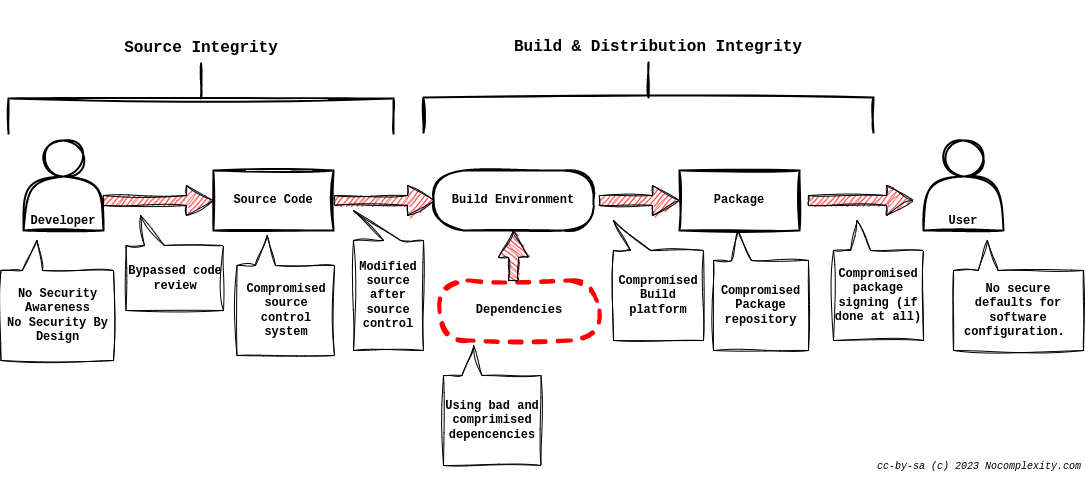
An overview of the SDLC is given in the figure below.
At a minimum, an SDLC must contain the following security activities:
Define Security Roles and Responsibilities
Orient Staff to the SDLC Security Tasks
Establish a System Criticality Level
Classify Information
Establish System Identity Credential Requirements
Establish System Security Profile Objectives
Create a System Profile
Decompose the System
Assess Vulnerabilities and Threats
Assess Risks
Select and Document Security Controls
Create Test Data
Test Security Controls
Perform Certification and Accreditation
Manage and Control Change
Measure Security Compliance
Perform System Disposal
From a security point of view integrating security test and validating results with expectations is a core element within the SLDC as needed for applying Security by Design.