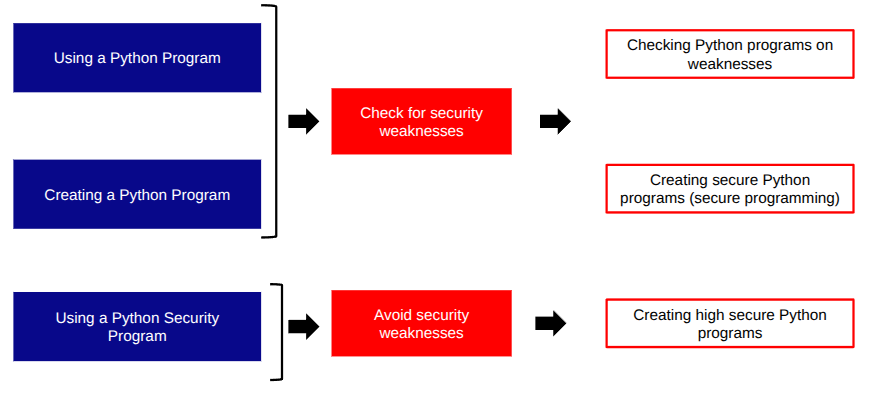
There are three key types of Python security checklists:
Pre-use checklists – for reviewing and validating an existing Python program before deployment or use.
Secure development checklists – for creating robust and secure Python applications from the ground up.
Security application checklists – for projects where the Python code itself forms part of a security tool or system.
Cybersecurity checklists are essential for minimising risk and preventing costly, avoidable security incidents. A well-designed, clear, and practical checklist serves as a powerful tool to support consistent, high-quality security practices.
In many mature professions, checklists have become a mandatory safeguard against disaster. Aviation, surgery, structural engineering, and the automotive and rail industries all rely heavily on disciplined checklist procedures to prevent catastrophic failures.