
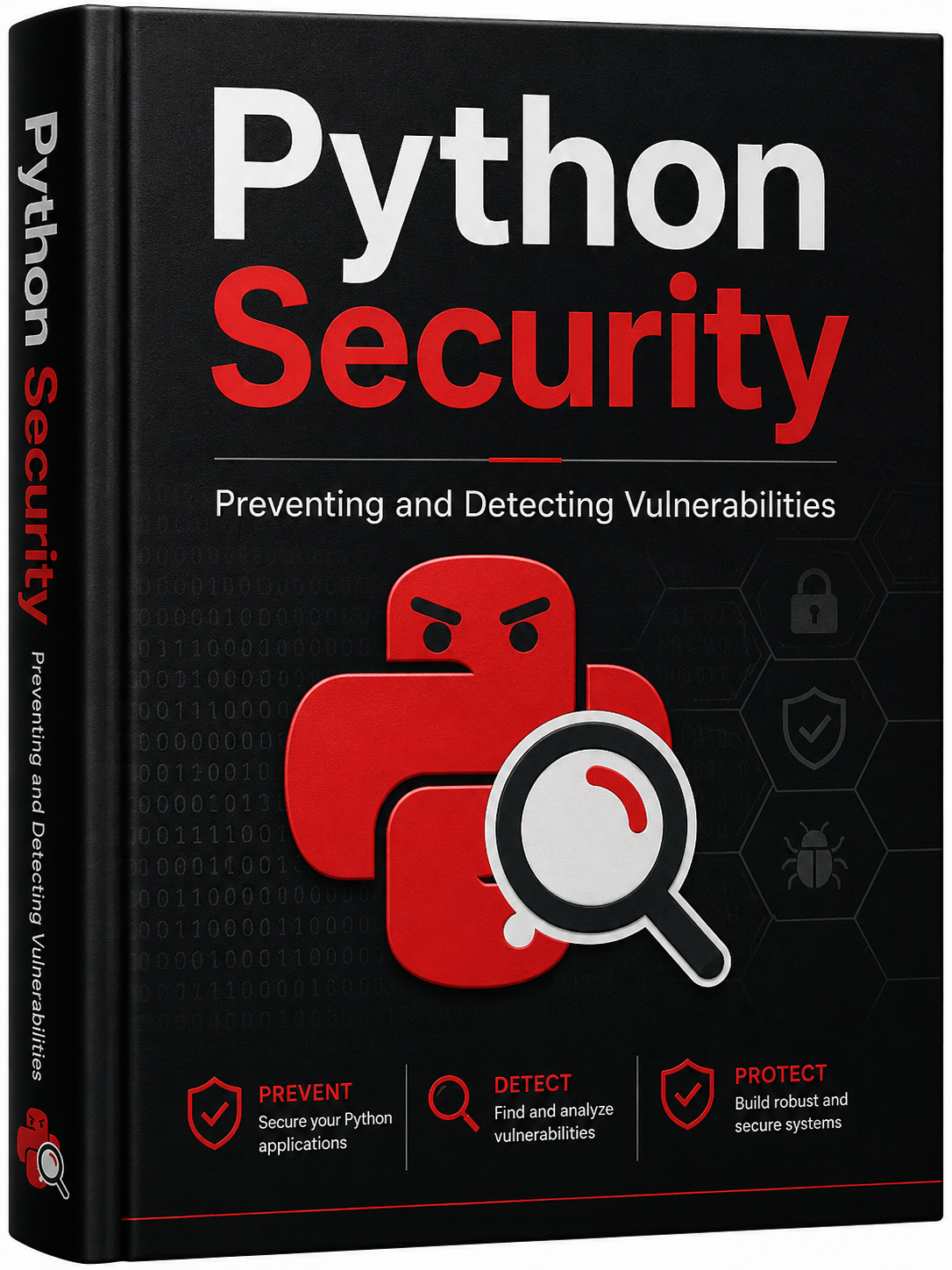
Python plays a central role in modern computing, yet Python applications are not immune to cybersecurity threats. As a result, security has become a critical concern for developers and users alike.
Goal
Pay What you can
Cybersecurity education shouldn’t be a luxury.
I believe that critical security knowledge should be open, borderless, and accessible to everyone.
We don’t want your financial situation to be a barrier to improving your skills or advancing your career. Not everyone can afford the often excessive fees attached to professional cybersecurity training. Financial circumstances should never prevent someone from developing security skills needed to grow, contribute, and thrive in the information security field.
That is why The Python Security Handbook is offered on a pay-what-you-can basis.
If you find it valuable and are in a position to do so, we kindly invite you to make a voluntary contribution. Your support helps fund ongoing development, updates, maintenance, and the creation of new learning resources.
Why This Book Is Open Source
This book is licensed under a Creative Commons Attribution-ShareAlike 4.0 International License. The licence has been chosen deliberately to ensure the content is freely available to everyone.
Cybersecurity education should not be a luxury. In an industry where many courses and books are overpriced yet deliver limited practical value, this book takes a different approach.
The idea for the book grew out of repeated frustration at the lack of a comprehensive, up-to-date resource on Python security. While developing an open-source Static Application Security Testing (SAST) tool for Python, I quickly discovered that high-quality, practical documentation on the subject is surprisingly difficult to find.
No one can be an expert across the entire security landscape. That is why this book invites contributions from the community — you can contribute here.
Another common frustration with programming books is how quickly they become outdated. By building this book with the excellent Jupyter Book toolchain and keeping it fully open source, we greatly simplify long-term maintenance. I have maintained several other open-source books for over ten years using similar methods, and the approach has proven both sustainable and effective.